Field Guide
Earth as seen from space — the Whole Earth Catalog cover

A Weekly Course

Build what
you need.
Nothing more.

An ongoing Substack course in making your own AI tools with Claude. No coding required. Grounded in craft, simplicity, and the idea that personal tools should feel personal.

First 4 weeks free · Cancel anytime · New week every Thursday

"We are as gods and might as well get good at it."

Stewart Brand, Whole Earth Catalog, 1968

The premise

You don't need another subscription. You need something that fits.

Most AI tools are built for everyone, which means they're built for no one in particular. Field Guide teaches you to build tools that work the way your mind works, that hold the things you actually care about, that disappear when you don't need them.

The course moves slowly on purpose. Each practice builds on the last, and by the end you have a working system, not just a collection of prompts.

What you'll need

Claude Pro

The AI model that powers everything in this course

A plain text editor

Obsidian, Notion, or even a folder of files

Curiosity, not coding ability

No programming knowledge required, ever

About an hour a week

Read, make something small, reflect

The curriculum

Nine practices

Each practice builds a different kind of tool. Together they become a complete personal system.

01

Starting

Before you build, understand what you're solving for. This practice is about intention.

02

Capture

Build a link catcher that saves what you find and actually brings it back when you need it.

03

Remember

A daily log that becomes a record of what you actually did, thought, and noticed.

04

Move

Track what your body does. A training log that understands patterns without a spreadsheet.

05

Collect

Build a living library around something you love: music, films, books, objects.

06

See

A photo journal that holds images the way memory holds them, not just chronologically.

07

Gather

Pull information from across your life into a single, searchable dashboard.

08

Refine

Go back to what you've built. Edit, simplify, and make it more truly yours.

09

Self-directed

The ninth practice is yours. Build something the course hasn't imagined yet.

The structure

Four phases. Your pace.

Weeks 1 to 4

Foundation

Before you begin, what are you building for? Covers philosophy, setup, and shipping your first tool.

Free

Weeks 5 to 13

Nine Practices

Build each of the nine tools. One practice per week. By week 13 you have a working personal system.

Weeks 14 to 17

Orchestration

Connect your tools. Multi-agent workflows, research synthesis, and making things run on their own.

Week 18 onwards

Projects

Identify the patterns in your own system. Plan what to build next. Make something larger.

七つの原則

Seven Principles

Field Guide draws from Japanese aesthetic philosophy. Ways of thinking about making things that last. Simplicity. Asymmetry. Subtle grace. Naturalness. Mystery. Freedom. Stillness.

簡素
Kanso
不均整
Fukinsei
渋み
Shibumi
自然
Shizen
幽玄
Yūgen
だつぞく
Datsuzoku
静寂
Seijaku

The shelf

A few books that shaped this.

These aren't required reading, they're good context.

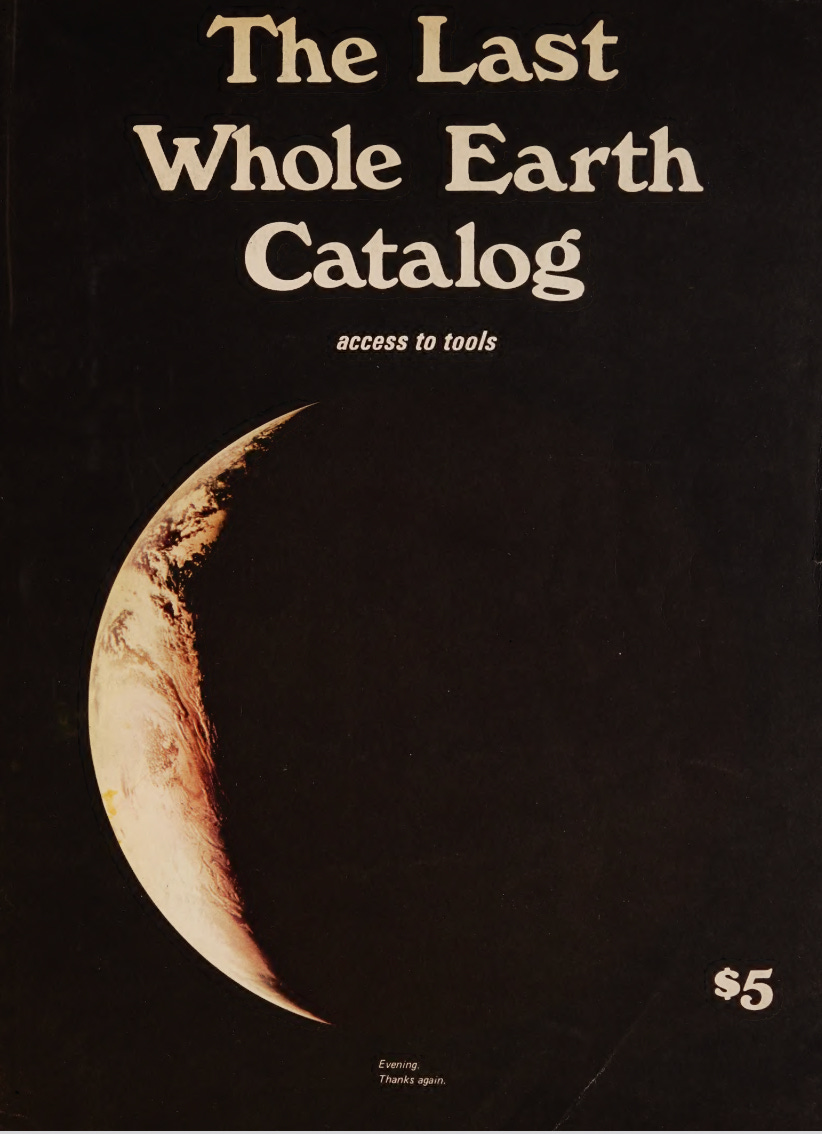
The Last Whole Earth Catalog

Whole Earth Catalog

Stewart Brand, 1971

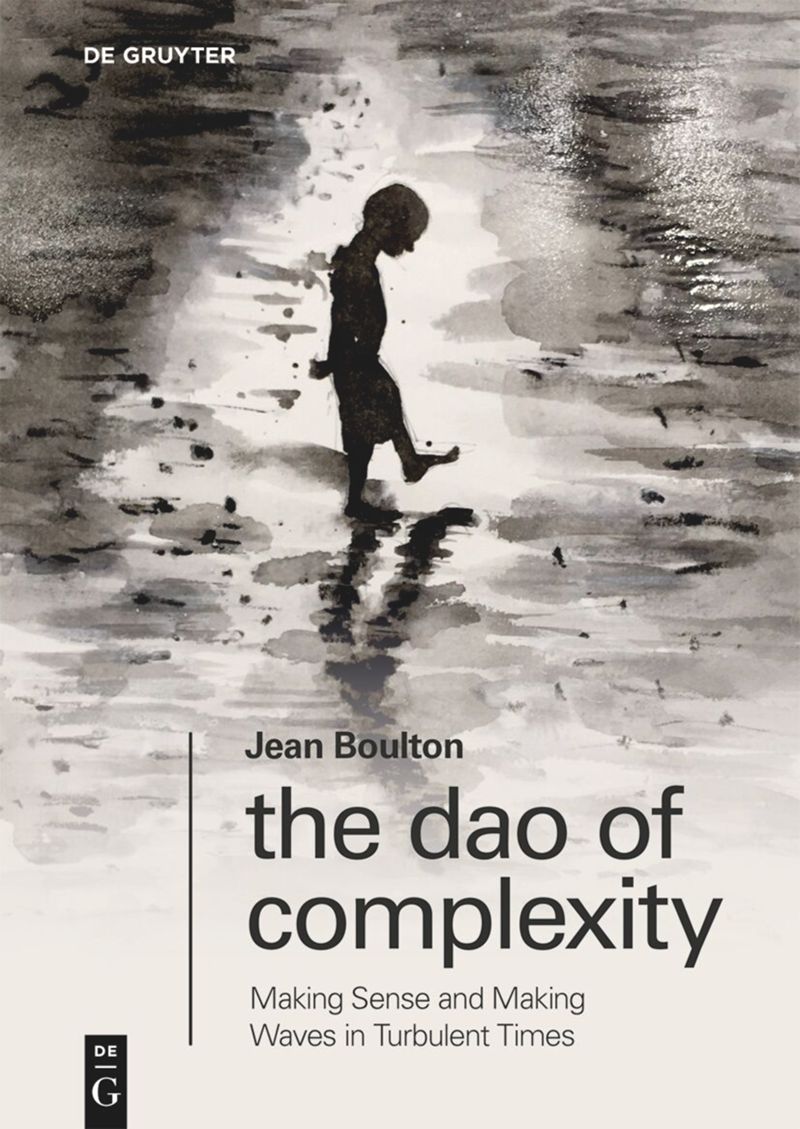
The Dao of Complexity

The Dao of Complexity

Jean Boulton, 2023

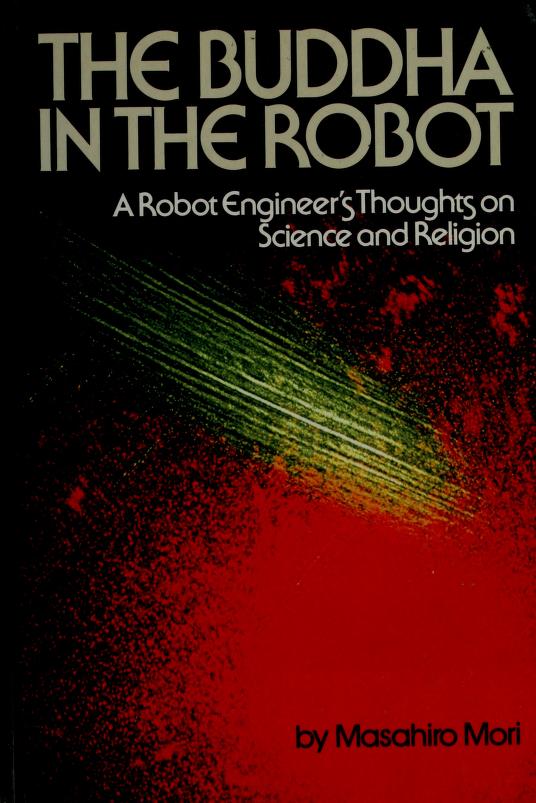
The Buddha in the Robot

Buddha in the Robot

Masahiro Mori, 1974

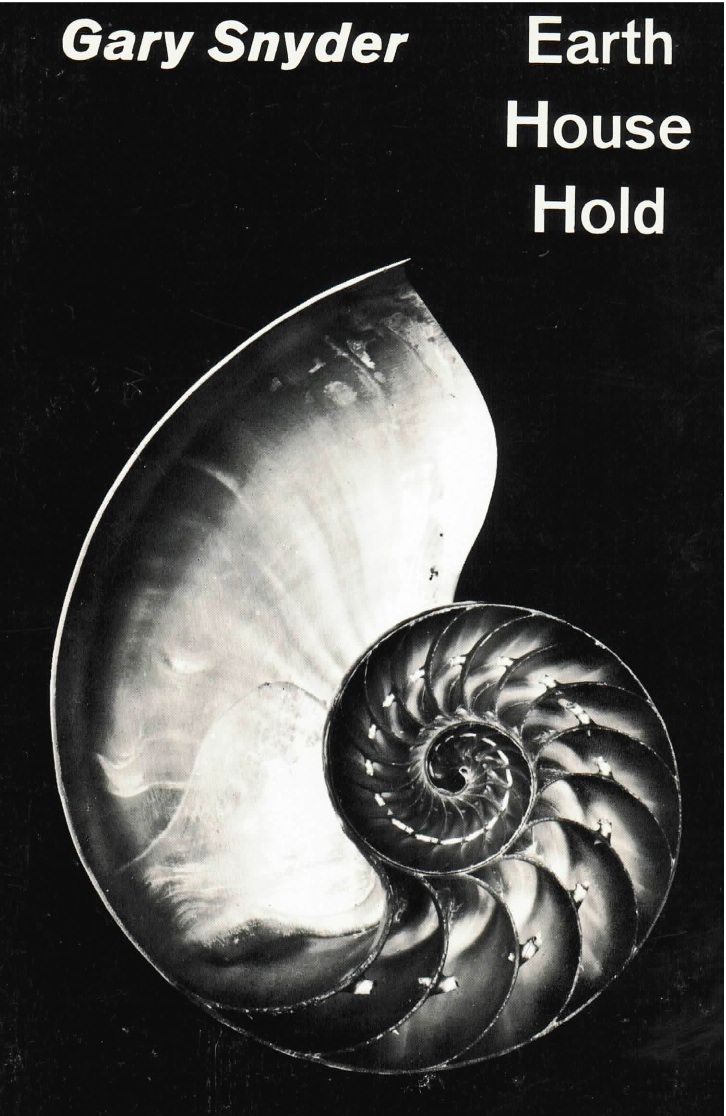
Earth House Hold

Earth House Hold

Gary Snyder, 1969

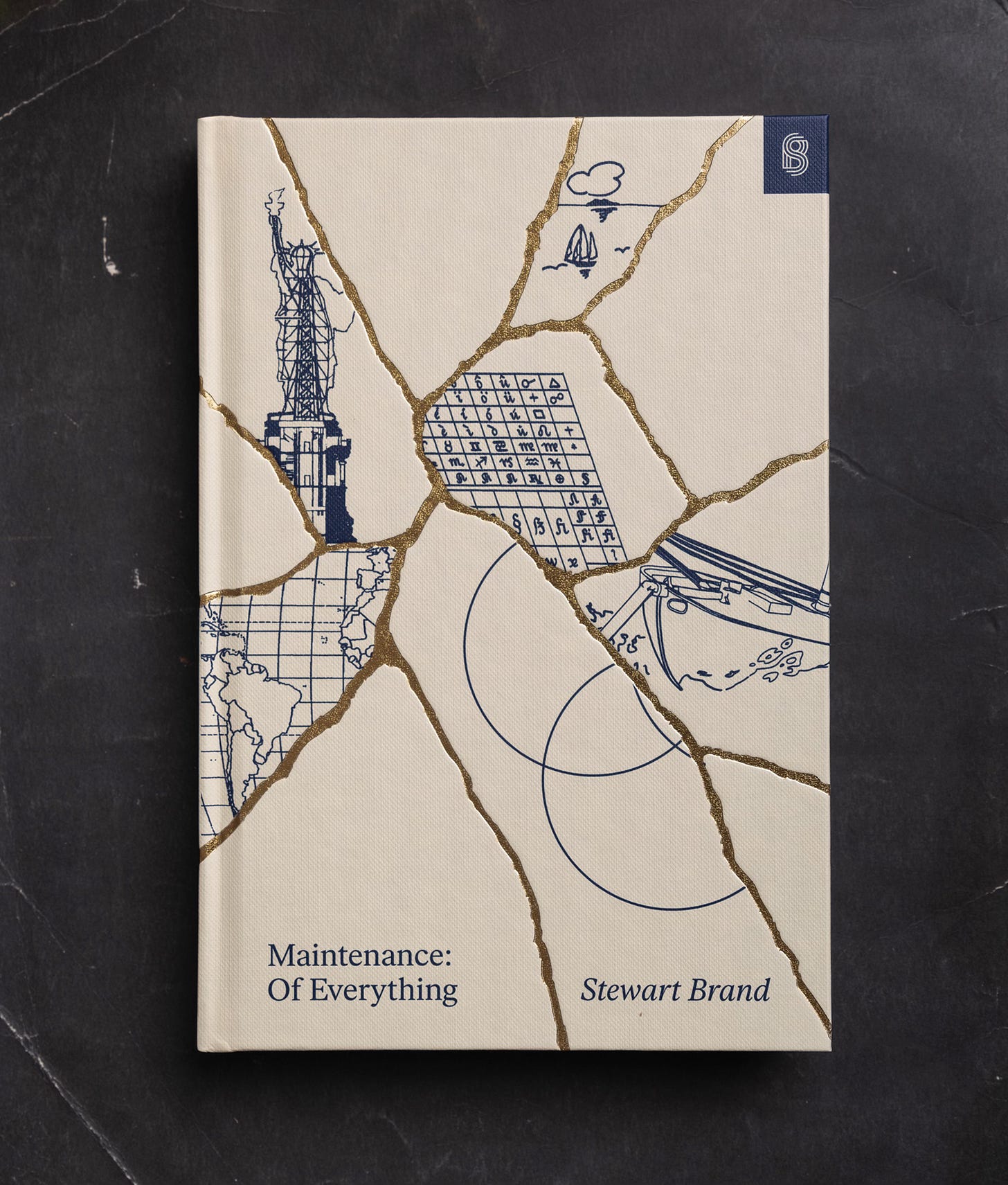
Maintenance: Of Everything

Maintenance: Of Everything

Stewart Brand, 2024

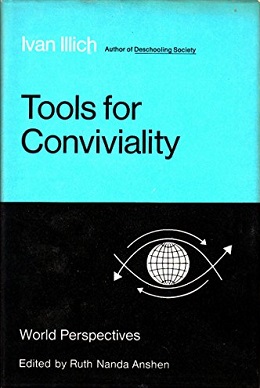
Tools for Conviviality

Tools for Conviviality

Ivan Illich, 1973

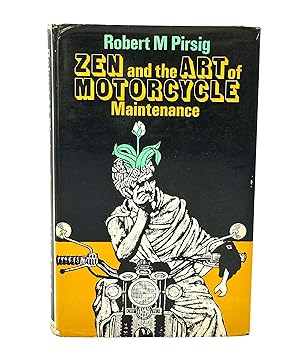
Zen and the Art of Motorcycle Maintenance

Zen and the Art of Motorcycle Maintenance

Robert Pirsig, 1974

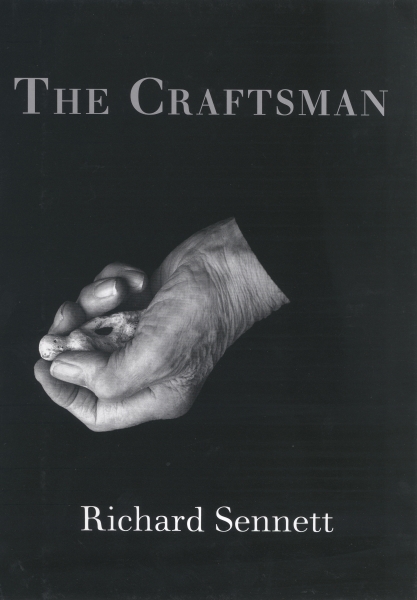
The Craftsman

The Craftsman

Richard Sennett, 2008

In Praise of Shadows

In Praise of Shadows

Jun'ichirō Tanizaki, 1933

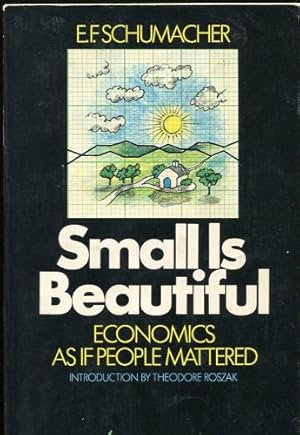
Small is Beautiful

Small is Beautiful

E.F. Schumacher, 1973

The Timeless Way of Building

The Timeless Way of Building

Christopher Alexander, 1979

How to Keep Your Volkswagen Alive

How to Keep Your VW Alive

John Muir, 1969

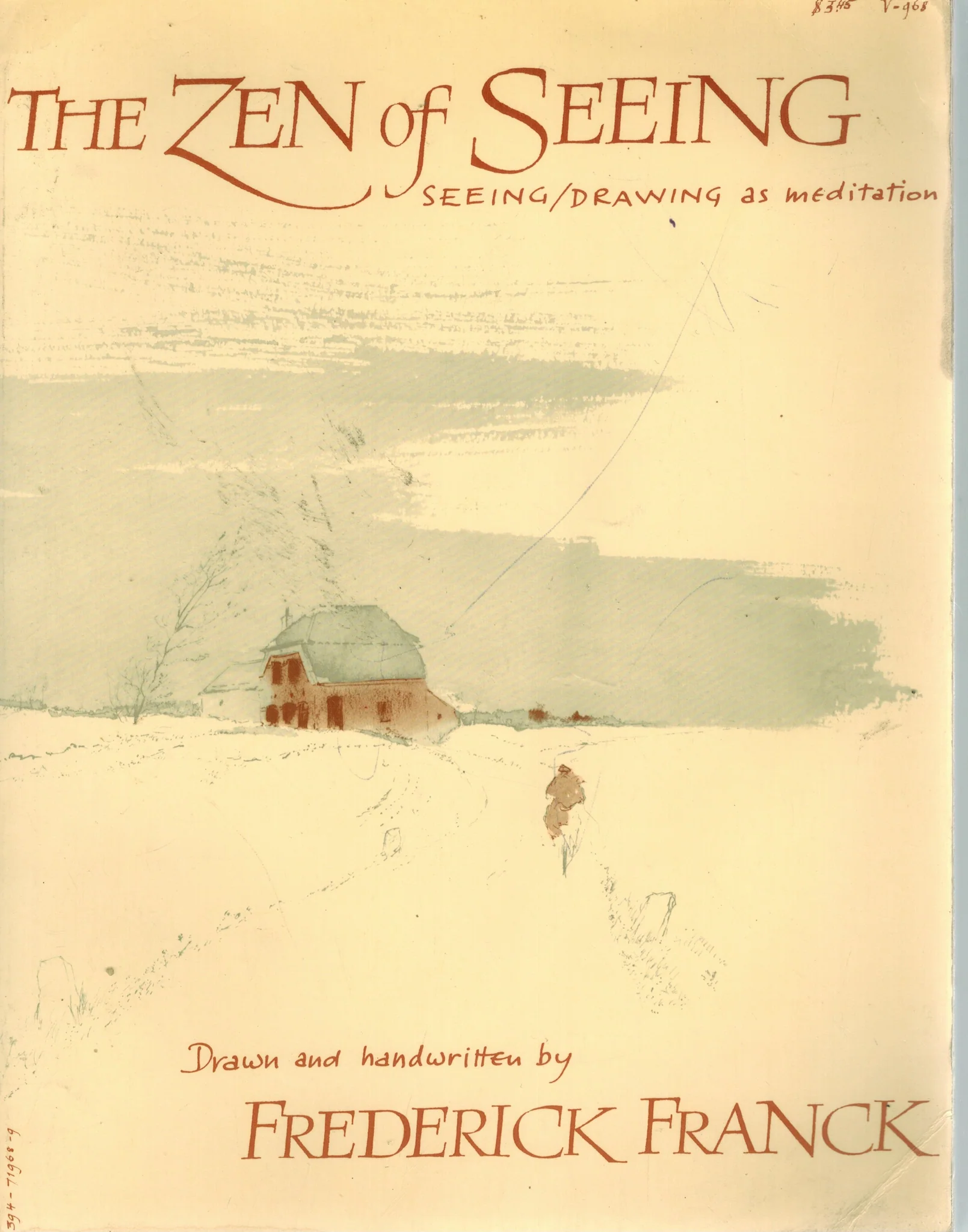
The Zen of Seeing

The Zen of Seeing

Frederick Franck, 1973

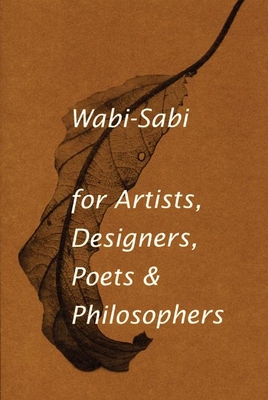
Wabi-Sabi for Artists, Designers, Poets & Philosophers

Wabi-Sabi for Artists

Leonard Koren, 1994

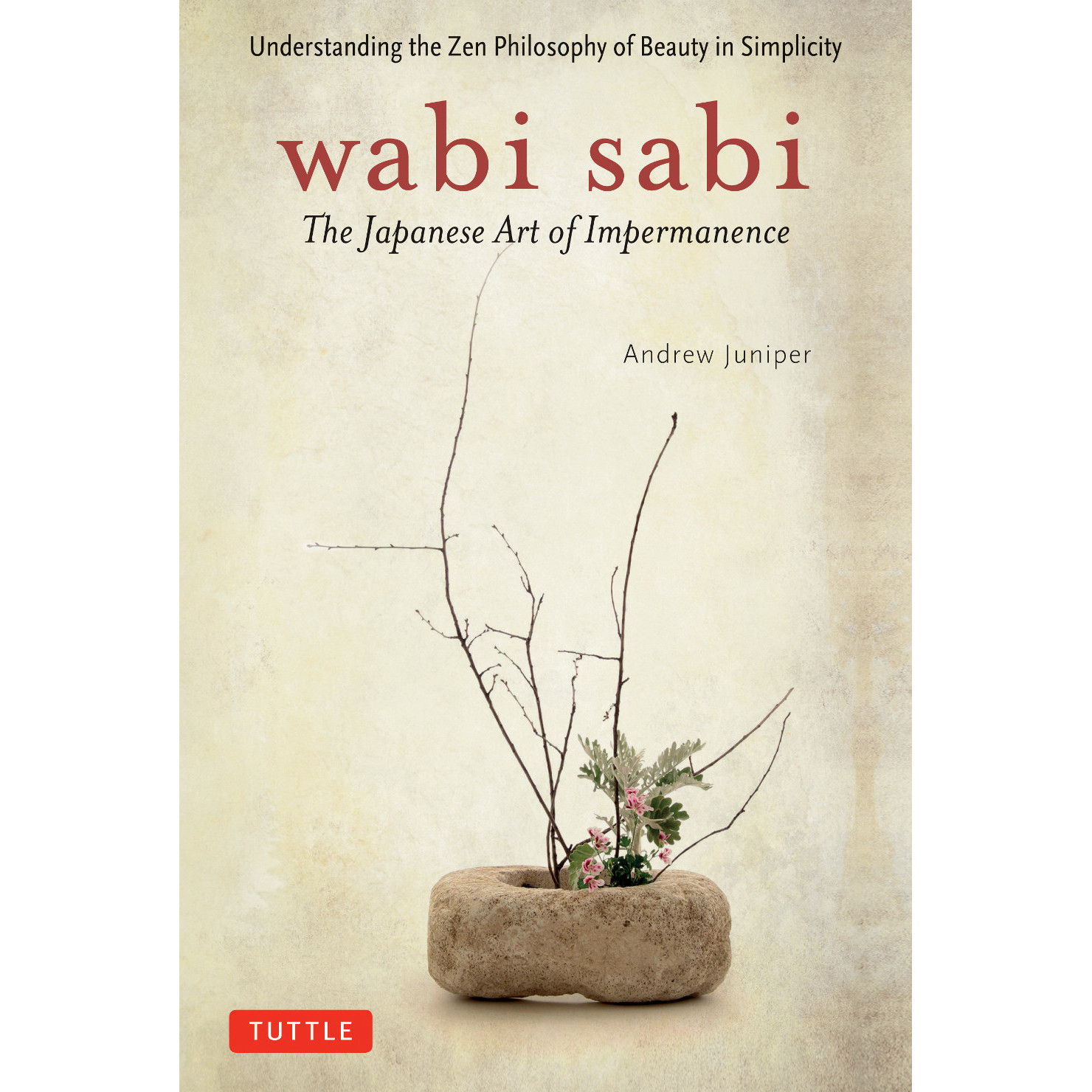
Wabi Sabi: The Japanese Art of Impermanence

Wabi Sabi

Andrew Juniper, 2003

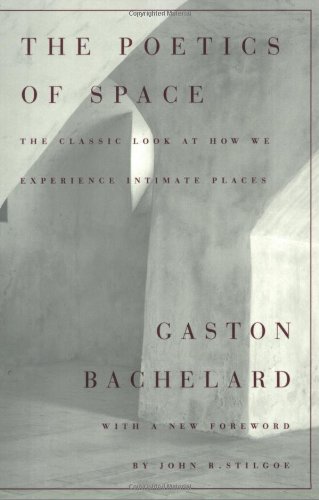
The Poetics of Space

The Poetics of Space

Gaston Bachelard, 1958

Pricing

Start reading. Pay if it helps.

Foundation

Free

Weeks 1 to 4, no card needed

  • Four weeks of weekly lessons
  • Ship your first AI tool
  • Foundation philosophy and setup
Start reading free
Full course

All phases

$24/mo

Billed monthly

Cancel any time. Keep what you've built.

  • All nine practices
  • Agent orchestration lessons
  • Projects and capstone week
  • Prompt library and reference guides
  • 100 skills to download
  • 50 project ideas
  • Community site on Substack
Subscribe for $24/month

Looking for lifetime access? Ask about it here.

Questions

The ones people ask

Do I really need no coding experience?

None at all. The course is built around plain language and conversation with Claude. The closest thing to code you'll encounter is a markdown file, and even that is optional. If you can write an email, you can do this.

How is this different from other AI courses?

Most AI courses teach you to use existing tools better. Field Guide teaches you to build tools that don't exist yet, tools fitted to your specific life and work. It's slower, more personal, and less concerned with productivity hacks than with genuine understanding.

What does "weekly" mean in practice?

Each week you get a lesson: some reading, a short practice, and a prompt or two to try. It takes about an hour. There's no deadline, no cohort, no Slack group. You go at your own pace. The course doesn't expire.

What's the Buddhist and Whole Earth Catalog connection?

Both traditions have a strong thread of self-reliance, appropriate tool use, and intentional making. The Whole Earth Catalog believed that access to tools changed what people could do for themselves. Buddhist practice is interested in what's actually necessary. Field Guide borrows from both without being precious about it.

What are the books you mention?

Whole Earth Catalog, Stewart Brand, 1971

The original access-to-tools compendium, the belief that putting tools in people's hands changes what they can do for themselves.

Maintenance: Of Everything, Stewart Brand, 2024

Brand's argument that maintenance is the real work of civilisation, and that the things worth keeping are worth looking after.

Earth House Hold, Gary Snyder, 1969

Field notes, journals, and essays from the poet and Zen student, a model for the kind of attentive, unhurried noticing the course tries to practice.

Buddha in the Robot, Masahiro Mori, 1974

A robotics engineer's argument that Buddha-nature exists in machines, the oldest serious attempt to think about what it means to make intelligent things.

Tools for Conviviality, Ivan Illich, 1973

Tools should enhance human capability not replace it, Illich draws the line between tools that serve people and tools that serve systems, Field Guide is entirely on the first side of that line.

Zen and the Art of Motorcycle Maintenance, Robert Pirsig, 1974

About quality, care, and what it means to pay proper attention to the thing in front of you, the motorcycle is almost beside the point.

The Craftsman, Richard Sennett, 2008

Doing something well is a form of thinking, Sennett makes the case that skill, repetition, and care are not separate from intelligence, they are intelligence.

The Dao of Complexity, Jean Boulton, 2023

On how complex systems actually work: emergent, contextual, impossible to fully predict or control, useful for thinking about what your tools are really doing.

In Praise of Shadows, Jun'ichirō Tanizaki, 1933

A Japanese novelist's essay on shadow, patina, and the beauty of things that don't announce themselves, the aesthetic argument for everything wabi-sabi.

Small is Beautiful, E.F. Schumacher, 1973

Economics at human scale, the case for intermediate technology, which means tools sized for the people using them, not the systems around them.

The Timeless Way of Building, Christopher Alexander, 1979

On patterns, wholeness, and how good buildings and good tools emerge from attending carefully to what people actually need.

How to Keep Your Volkswagen Alive, John Muir, 1969

The original countercultural repair manual, warm, funny, written for people who have never touched an engine, self-reliance as an act of affection for the thing you depend on.

The Zen of Seeing, Frederick Franck, 1973

Drawing as a form of meditation, Franck's argument is that to draw something is to really see it, and that really seeing is a practice worth cultivating.

Wabi-Sabi for Artists, Designers, Poets & Philosophers, Leonard Koren, 1994

The clearest short introduction to wabi-sabi as an aesthetic, impermanence, imperfection, incompleteness, everything Field Guide is trying to make tools for.

Wabi Sabi: The Japanese Art of Impermanence, Andrew Juniper, 2003

A fuller exploration of wabi-sabi's roots in Zen philosophy and Japanese culture, useful context for the seven principles that run through the course.

The Poetics of Space, Gaston Bachelard, 1958

On intimate spaces, drawers, corners, nests, and how small contained things hold memory and meaning, closer to the spirit of personal tools than most books about technology.

Can I cancel? What happens to my tools?

Cancel any time. Your tools are yours, they live in your files and your Claude account. Nothing disappears when you cancel. The only thing you lose access to is new lessons.

Start when
you're ready.

Weeks 1 to 4 are free and don't require a card. Read them, try something, and see if the rest is worth your time.

Start reading now